Creative tourism
Bouncing back or forward?

The pandemic has forced us to re-think tourism. With travel bans in place worldwide, the idea of tourism as an almost natural part of leisure is being re-assessed. There is little doubt that post-pandemic tourism will look different. In particular, one might expect challenges for forms of tourism based on close personal contact, such as creative tourism. This paper considers the impact of Covid-19 on creative tourism and outlines how it might develop in future. Do we want a return to old fashioned mass tourism, or should we be seeking to develop alternative scenarios for the future?
Return or Re-think
The global tourism industry still seems firmly wedded to the idea of ‘resilience’, usually as a means of ‘bouncing back’ after the pandemic. The UNWTO sketches a path forward for tourism, based on response, recovery, and resilience. Resilience is seen as a longer-term issue – the need to make systems resistant to future shocks. However, the type of resilience usually favoured by the UNWTO is engineering resilience - resilience as bouncing back. This tends to favour a return to old forms, rather than involving any systemic change.
An alternative is an ecological resilience approach – seeing systems as adapting and changing in response to external shocks, or ‘bouncing forward’ to a new future. To bounce forward and generate a more proactive response to crisis, things need to change. In the context of tourism and leisure, there is also no point in developing resilience for these sectors alone. They are so closely linked with other economic, cultural and social activities in the destination that resilient tourism or culture without overall ‘place resilience’ makes little sense. Place resilience is a concept originally derived from disaster studies, so it seems particularly fitted to the pandemic, but it has the potentially to be employed more widely.
Need for creative capacity
Tourism transformation, I would argue, cannot be achieved without creative capacity: the ability to envision and construct a future vision that can ensure a high level of stakeholder support. As recently argued elsewhere (Richards, 2020), what places need is creative development strategies that can utilise available place resources more effectively to give meaning to cultural, social and economic life, which in turn requires creativity.
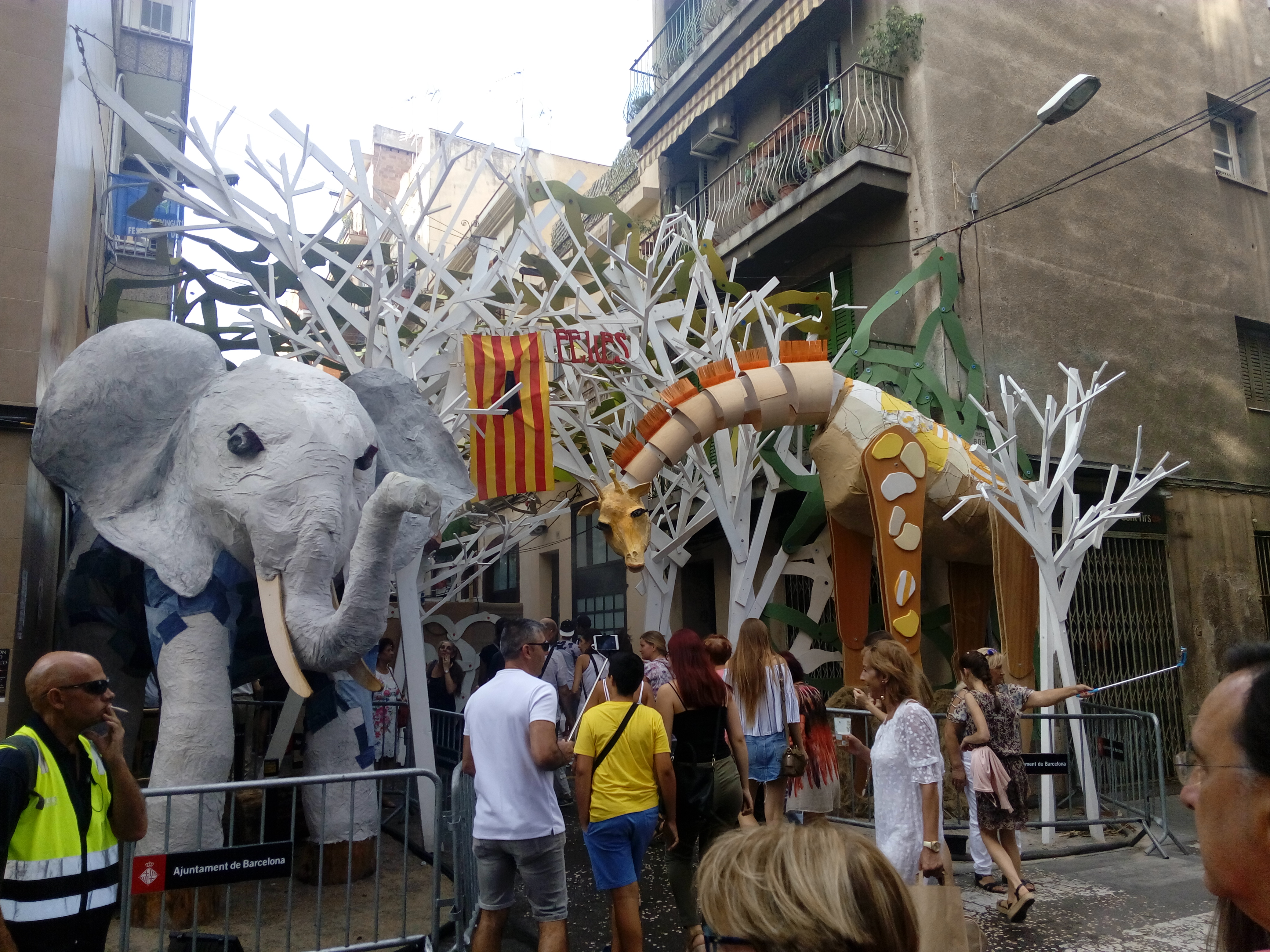
One means of kick-starting the process through tourism is by developing ‘creative tourism’, defined by Richards and Raymond (2000) as tourism that offers active involvement in the creative life of the destination for tourists. Creative activities can instigate new dynamic relationships between people, places and creative resources. Creative tourism makes extensive use of the exoticisation of the everyday: or as Diana Zuluaga, a creative entrepreneur from Bogotá, Colombia puts it: creative tourism is the act of transforming everyday life into engaging experiences. These experiences are not simply for tourists: they also provide an opportunity for locals to see their creative life from the perspective of the outsider, and therefore regain a sense of enchantment in the everyday.
This re-grounding of tourism in local creativity is important because not only have mass tourism attractions become untenable during the pandemic, but they are likely to be less popular in the future as well. Arguably many tourists are already disillusioned with the shallow experiences offered by mass cultural tourism to overcrowded heritage sites and are looking for deeper and more meaningful ways of being in places.
Creative tourism
This new mood was captured by a recent campaign launched by Tourism New Zealand, urging people to ‘stop travelling under the social influence’, and to do something different from the crowd. The aim of travel should not be sightseeing, but ‘life seeing’. Creative tourism develops relationships between tourists, creative producers and local people. Creative tourists are keen to find out the stories behind local creativity, and how creativity fits into the lives of locals.
Examples of creative tourism include many experiences related to craft, which provides link to local communities and the materials that feed their creativity (Richards, 2020). In Thailand DASTA has set up a network of creative villages where tourists can learn many different local crafts, ranging from making ceramics or noodles to weaving textiles and crafting paper lanterns. In larger places, DASTA is keen to identify distinctive local creativity that can be used as the basis for a UNESCO Creative City designation.
Diana Zuluaga’s company, 5Bogata, positions itself as a ‘local friend’ for visitors, providing creative experiences with an emphasis on the five senses. 5Bogota was founded by Diana when she returned to Colombia after a period abroad, eager to rediscover her own country again. Crafted creative itineraries and local experiences are designed to allow outsiders to see, smell, touch, taste and hear the ‘real’ Bogotá through a local lens.
Digital pivot
The pandemic is a major challenge for creative tourism experiences based on personal contact. The solution for 5Bogota was to embrace the ‘digital pivot’ to provide creative experiences online. In the space of two weeks Diana created a series of virtual cooking classes, enabling families and friends to briefly escape the lockdown. People could learn to cook empanadas or veggie tamales at home, using a pack of ingredients supplied by a local market in Bogotá.
Art Safari, which normally runs painting holidays in Europe, Africa and Asia also made the digital pivot. During the pandemic participants could take virtual classes with a tutor to learn techniques and skills related to painting or drawing landscapes in a particular destination. These ‘virtual holidays’ included painting ‘seabirds and clifftops’ on a virtual tour of Orkney, or sketching lions or elephants in the kitchen.
Physical experiences
Creative strategies can also be employed to support physical experiences, even during the pandemic. In the Portuguese city of Evora, Play Evora offers a creative tourism play pack for visitors to discover the city on their own, guided by a quiz that links street art and gastronomic offerings with the cultural heritage of the city. There is also a Play Evora ‘Kids’ kit, with a playbook, pencils, historical bookmarks gifts and vouchers. The American company Craftours offers ‘Cocoon’ courses that provide an immersive experience of crafting, in which the focus on an absorbing activity enables people to isolate themselves from everyday stress (and the pandemic) in a safe environment. The city of Barcelos in Portugal developed measures to support the city’s creative tourism programme during the pandemic. The municipality began purchasing artworks directly and giving financial support for the development of creative tourism activities.
Geographic limitation
After the pandemic there will be more demand for smaller scale, local travel experiences, which give people the opportunity to re-discover their own culture and creativity. This re-discovery also helps visitors and locals to see places with new eyes and to understand the need for change. Creative tourism helps to focus attention on the non-economic forms of value that can be generated, including the promotion of creative skills, the strengthening of local identities and social cohesion and increased sustainability.
References
- Richards, G. (2020a) Designing Creative Places: The role of creative tourism. Annals of Tourism Research. https://doi.org/10.1016/j.annals.2020.102922
- Richards, G., & Raymond, C. (2000). Creative tourism. ATLAS news, 23(8), 16-20.

Greg Richards is Professor of Placemaking and Events at Breda University of Applied Sciences and Professor of Leisure Studies at Tilburg University.