Teacher perspectives on the future of leisure

Who are you and in what discipline do you teach? What is the urgency of your education for students, industry or society?
My name is Alain van Duuren and I have been working at the Willem de Kooning academy with great enthusiasm for 12 years. I am mainly involved as a teacher of design research, concept development, strategic value creation, and project education. Everything I do is based on the vision that content can only have an impact if the context is right. In leisure it is important to engage in social, cultural and sustainable issues.
What competencies are essential to teach students to be qualified entry-level professionals to fully exploit the value of leisure time?
The actual design and implementation of experiences is an important competency. To design and substantiate something based on creativity, to involve stakeholders and to be able to actually implement it. The students should be able to create things that have value for the users and the context in which it is placed. I think there is a need for innovative makers and performers to preserve the value of leisure for the future.
If you could introduce one thing for education in 2040, what would it be?
I would wish for basic support, so that students can fully focus on content and implementation of their education. That students no longer have to ‘struggle’ to survive. At the moment I see too many students who cannot commit for 100% because they have to work a lot of hours to provide for their basic needs.
Who are you and in what discipline do you teach? What is the urgency of your education for students, industry or society?
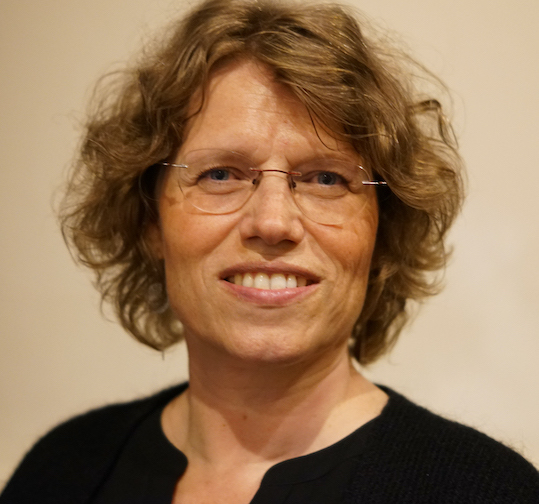
My name is Bertine Bargeman. I am responsible for the Academic Master Leisure and Tourism Studies at Breda University of Applied Sciences and teach in this master’s programme and the other academic programmes (BSc LS and pre-master’s). Today, the leisure and tourism sector is confronted with wicked problems, for instance, related to overtourism, sustainability and work-life balance. With my knowledge of consumer behaviour in leisure and tourism practices, I can support students who can deal with these complex issues in a future job.
Are there still blind spots in education that we need to pay more attention to in order to be ready for the future of leisure?
Many wicked problems have to do with consequences of human behaviour in leisure and tourism practices. So, it is very important to teach students about interactions and decision-making processes (‘routines’ or ‘rituals’) in these practices to better understand the causes of certain impacts. Consequently, this can inspire various stakeholders to develop meaningful and realistic interventions.
If you could introduce one thing for education in 2040, what would it be?
Not only in the leisure and tourism sector people combine offline and online practices, think, for example, of holiday behaviour in which actual experiences are constantly shared with the home front via social media. Also, in our education practice online and offline activities are blended both by lecturers and students. The challenge for future education is to create a study environment in which, for instance, artificial intelligence could have a valuable and innovative contribution.
Who are you and in what discipline do you teach? What is the urgency of your education for students, industry or society?
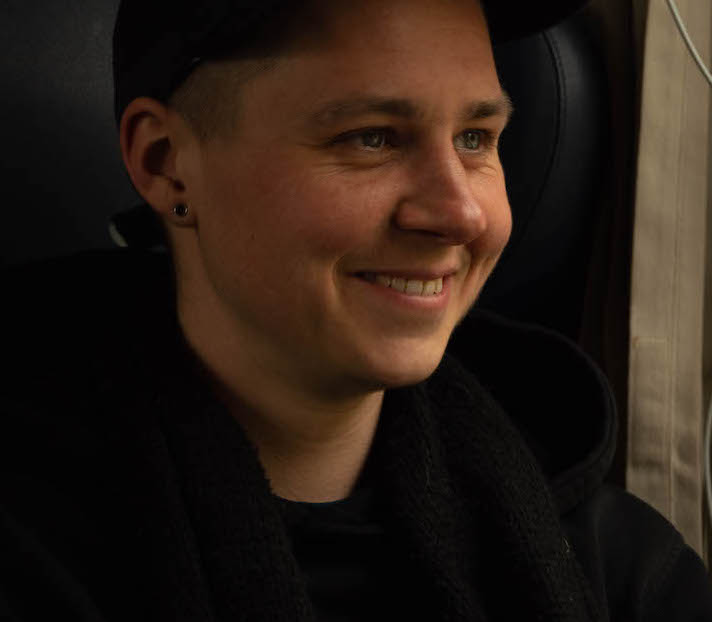
I am Felix Rietbergen (they/their). Partner, child, lecturer, coach, writer. Open, curious, sensitive, cautious. For me the urgency lies in familiarising first-year Leisure & Event Management students at Breda University of Applied Sciences with regard to themselves, others and the world, so that they can contribute to arriving at a society that is based on trust with an open and curious eye, (self) consciously.
What competencies are essential to teach students to be qualified entry-level professionals to fully exploit the value of leisure time?
First of all, (self)-awareness. Learning to make conscious choices and looking at yourself consciously teach you to also have an eye for the needs of others. Furthermore, curiosity is important. By being curious, you create space to discover, to embrace not-knowing and to connect. It offers understanding, openness and gives room to be able to grow as a person and professional.
If you could introduce one thing for education in 2040, what would it be?
A new norm and form in which time, room and attention for sincere engagement with each individual and their vision, qualities and pitfalls are central. Implementing this new concept will open up space to actually connect with each other, to stand still, to dream and to give meaning to who you are, who the other person is, and what is happening in the world. In my opinion, this leads to a world in which we can look at each other with love and make choices based on trust.
Who are you and in what study programme do you teach? What is the urgency of your education for students and society?
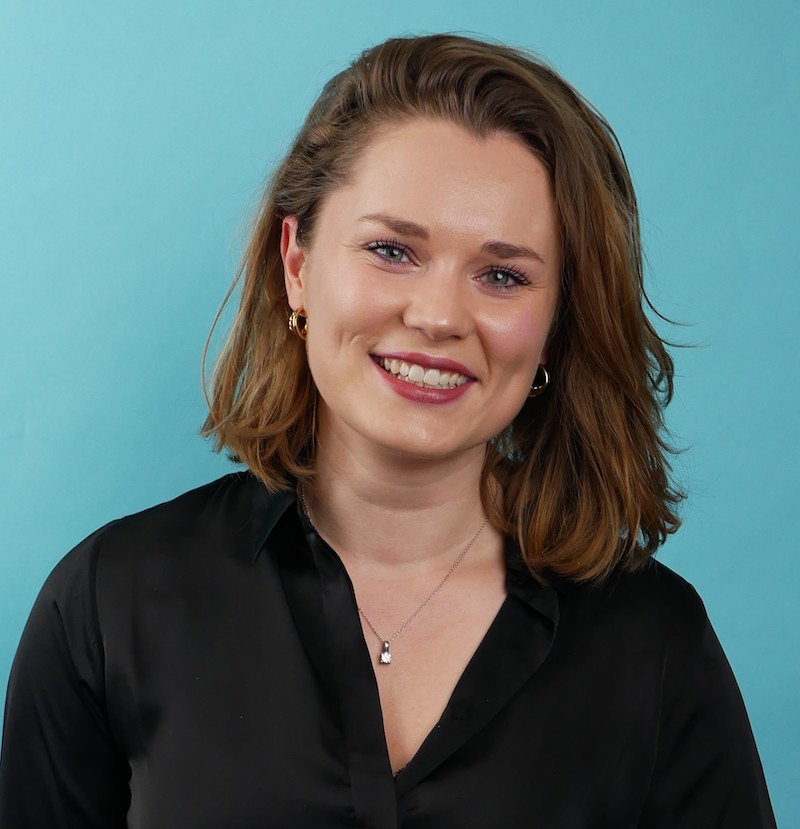
I am Marijke Hoekstra and, as a lecturer of LEM at NHL Stenden University of Applied Sciences, I work mainly with first- and fourth- year students. I did a master’s degree in geography at the University of Groningen. Therefore, I am convinced that leisure is strongly intertwined with our living environment and social processes. Leisure always takes place somewhere and affects us as human beings. Every day, students work on projects from the field and learn how to use leisure as a tool to bring about change.
Are there still blind spots in education that we need to pay more attention to?
I am currently working with colleagues on the new National Competency Profile. We find that more attention needs to be paid to technological skills, such as artificial intelligence, virtual reality and that which has not yet been developed. Including the associated ethical issues. Leisure is also a multidisciplinary field which intersects with various domains, such as health, safety, or spatial planning. Education should better focus on promoting multidisciplinary learning so that students can combine knowledge and skills from different fields and, above all, bring together people from different disciplines to solve complex issues.
If you could introduce one thing for education in 2040, what would it be?
In my opinion, it is important to rekindle more curiosity about theory. We are sometimes so preoccupied with the practice-oriented and design-oriented mindset that we occasionally forget about the beautiful sociological and academic foundation of leisure. I get feedback from some first-year students that they would like more theory. The challenge, though, is to keep developing that theory. It is time for leisure studies to become popular again.
Who are you and in what discipline do you teach? What is the urgency of your education for students, industry or society?
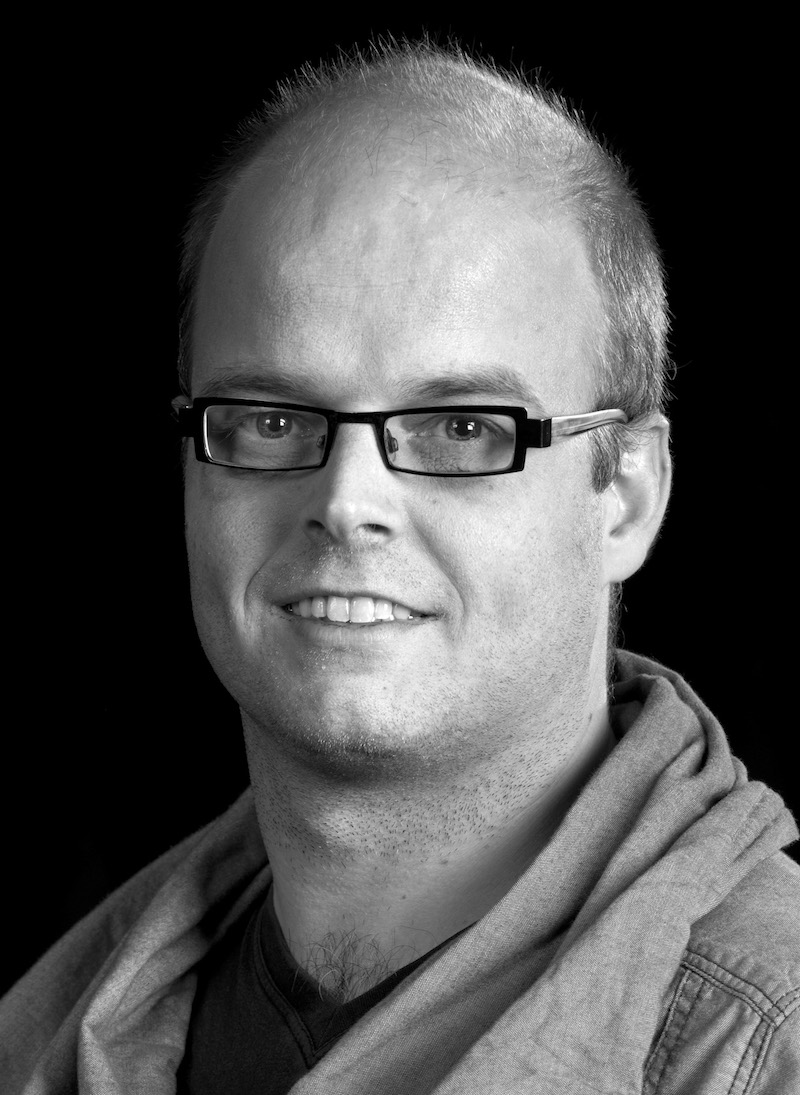
I am Youp Selen, degree programme manager of the Leisure & Events programme. My role focuses especially on educational innovation and the necessary organisational change that results from this. In my opinion, experimentation and evaluation is the best approach to deal with the complex challenges in society, where linear approaches are not feasible. Small-scale and experimental education properly prepares students for this.
Are there still blind spots in education that we need to pay more attention to in order to be ready for the future of leisure?
I see the main blind spot in education especially at the persuasion level. The belief that we need to load students with knowledge, while I believe that learning to process knowledge, create knowledge contextually and be able to connect knowledge within a network is much more important. That is why we should test and guide as little as possible for preconceived end results, but rather for meta-criteria, such as analytical ability or social awareness.
If you could introduce one thing for education in 2040, what would it be?
The integration of neurodiversity. In education we are currently taking someone who is dyslectic, for example, into account, whereas we should be using the talents of someone who is neurodiverse in any way. If you really want to solve complex challenges, you need a neurodiverse team. Then we must also create education that appeals to all the qualities of the neurodiverse population.
What is your position and field of expertise? How do you view the value of leisure from this perspective?
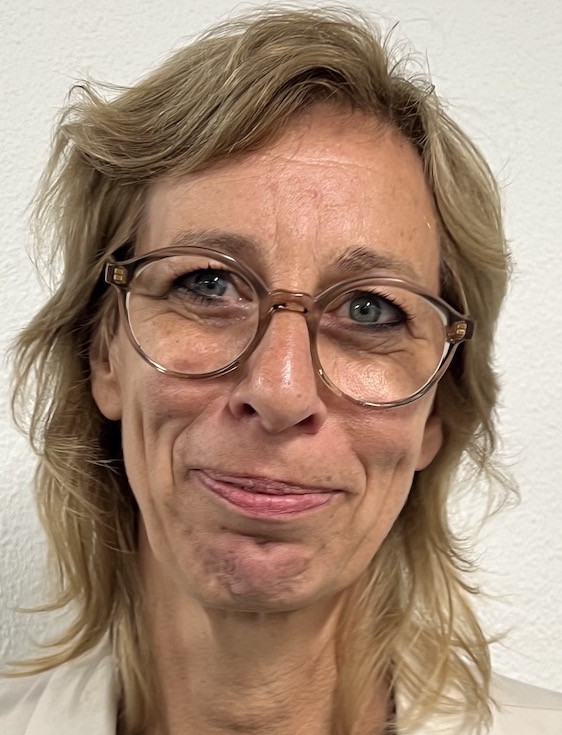
I am Dafne Foet, course leader of Leisure & Events Management at the Willem de Kooning Academy Rotterdam and De Stadspraktijk. My professional background is a MSc in Leisure Studies; professional practice in connecting development of places with social issues. Our leisure behaviour is constantly changing, influenced by current themes such as well-being, inclusion, and gentrification. If designers of leisure actively take part in urban development from this perspective, we will help build liveable and loveable cities. There are many big challenges right now. To be able to cope with them, resilience is needed. Therefore, it is important to also pay attention to the growing stress, in particular, among young people and the bigger misunderstanding towards each other in general.
In your opinion, how can the leisure sector respond appropriately to it?
I believe that by focusing more on real free time, we can better meet these challenges at any rate. Josef Pieper already talked in Leisure. The basis of Culture (1948) about real leisure time as the attitude of the mind that promotes the ability to perceive the reality of the world. If you study leisure behaviour, you will discover that leisure shows how we organise our economy; live together and appreciate culture (Pieper, 1948). By being aware of this, designers of leisure programmes can contribute to the future world with their knowledge of leisure.
Do you see an innovative example that inspires or can trigger a new direction?
In the young and multicoloured Rotterdam I know many examples of leisure programmes that contribute to new ways of making cities, and at the same time work on global challenges. Niteshop is one such place in Rotterdam West where stakeholders are triggered from the concept of a night shop to exert influence on urban development. But the Leisure students of the Willem de Kooning Academy Rotterdam are strongly engaged and socially involved. On the basis of research into leisure behaviour and a critical vision of the world, they design and organise projects around metropolitan challenges.